Why drinking water during pregnancy is so important
Hydration tips, benefits and the best drinks for pregnancy and labour

Drinking out of a fancier glass makes you feel more included socially
Chin chin, bottoms up, raise a glass — you’re having a baby!
(Obviously your glass is full of water or juice… don’t worry, it won’t be forever!)
We all know drinking water is important, but staying hydrated during pregnancy becomes even more essential for both you and your growing baby.
Many women start pregnancy with the best intentions of drinking more water, only to forget throughout the day or simply find plain water a little boring. But during pregnancy, hydration plays a much bigger role than many people realise. One of the most important tips is near the end of the blog so stay with me..
From supporting amniotic fluid levels to helping reduce headaches, constipation and pregnancy swelling, drinking enough water can genuinely make a difference to how you feel during pregnancy.
Why Is Drinking Water Important During Pregnancy?
Your body needs more water during pregnancy to support both you and your baby.
Water helps:
Transport oxygen and nutrients around the body
Support the placenta and uterus
Maintain healthy amniotic fluid levels
Support kidney function
Help remove waste products
Aid digestion and circulation
Staying hydrated also supports your baby directly, as water helps carry nutrients from the food you eat and any prenatal vitamins you may be taking.
Can Dehydration Affect Pregnancy?
Yes — dehydration during pregnancy can contribute to several common pregnancy symptoms.
Signs of dehydration in pregnancy can include:
Headaches
Dizziness
Fatigue
Cramping
Dry mouth
Dark urine
Some women may also notice increased Braxton Hicks contractions when dehydrated, particularly in the third trimester.
Often, by the time we feel thirsty, we’re already mildly dehydrated, which is why drinking little and often throughout the day can really help.
Can Drinking More Water Help Pregnancy Swelling?
Surprisingly, yes.
Many women experience swollen ankles, feet and calves during pregnancy, especially during the third trimester.
Although it sounds counterintuitive, drinking enough water can actually help reduce water retention by supporting circulation and helping the body regulate fluids more effectively.
So those dreaded “cankles” may benefit from a little extra hydration!
Water and Pregnancy Constipation
Constipation is incredibly common during pregnancy thanks to hormonal changes and pressure on the digestive system.
Drinking enough water can help soften stools and support healthy digestion, making bowel movements more comfortable.
And let’s be honest — anything that helps in the constipation department during pregnancy deserves celebrating!
How Much Water Should You Drink During Pregnancy?
The NHS recommends drinking plenty of fluids throughout pregnancy, with water being the best option.
Many women aim for around:
1.5 to 2 litres per day initially
More during later pregnancy, warmer weather or exercise
You may need additional fluids if:
You are very active
You are vomiting due to morning sickness
The weather is hot
You are exercising regularly
Drinking out of a fancy glass does actually make you feel more involved in social situations and it genuinely does make it feel less boring!
How to Drink More Water During Pregnancy
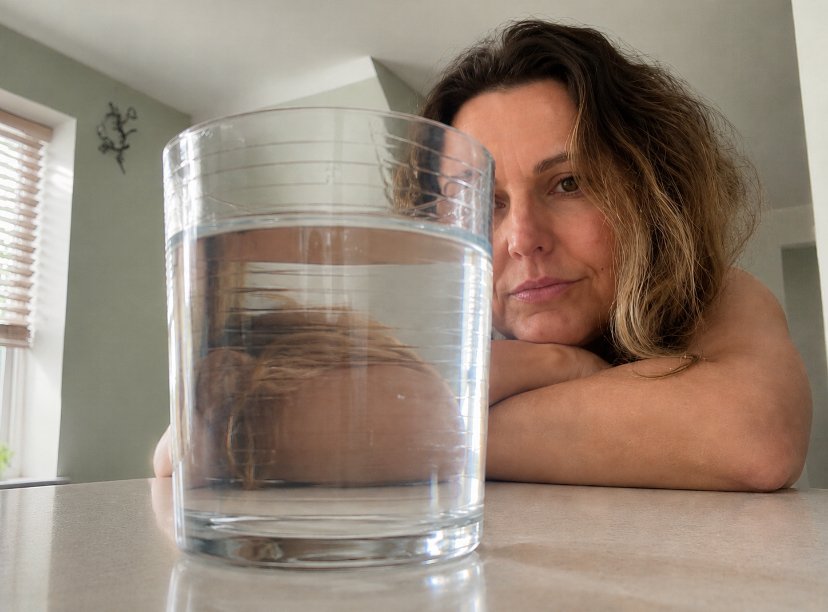
Yes, water is boring so add some stuff to it!
If plain water feels boring, you’re definitely not alone.
Simple ways to make water more appealing include:
Adding cucumber slices
Lemon or lime
Fresh mint
Strawberries
Ginger slices
Melon
Some women also find ginger-infused water soothing during morning sickness.
Best Drinks During Pregnancy
Water is still the best option, but other drinks can contribute towards your fluid intake too.
Pregnancy-friendly drink ideas:
Milk
Smoothies
Diluted fruit juice
Vegetable juices
Rooibos tea
Ginger tea
Peppermint tea
Smoothies can provide additional nutrients including calcium and iodine, which support your baby’s development.
Fruit juices are best diluted where possible due to their sugar content.
Herbal Teas During Pregnancy
Some herbal teas are commonly enjoyed during pregnancy, while others are best avoided.
Herbal teas commonly considered suitable during pregnancy include:
Ginger tea
Peppermint tea
Spearmint tea
Rooibos tea
Some women also choose raspberry leaf tea later in pregnancy, though it’s always best to discuss herbal products with your midwife or healthcare provider first.
Herbal teas often advised to avoid during pregnancy include:
Ginseng
Pennyroyal
Liquorice root
St John’s Wort
If unsure, always check with your healthcare professional before using herbal teas or supplements during pregnancy.
Pregnancy Hydration Tips
Here are a few realistic ways to stay hydrated during pregnancy:
Carry a BPA free water bottle with you
Drink little and often
Add fruit or herbs for flavour
Use a straw if it helps you drink more
Keep water by your bed overnight
Choose a bottle you genuinely enjoy using
Honestly, sometimes a lovely water bottle makes all the difference!
Staying hydrated during labour itself is SOOOOO important

Water bottle with a straw
This is the most important bit - During labour your uterus is doing an incredible amount of work. It’s a powerful muscle working in coordination with your baby to help your cervix gradually open during surges and support your baby’s journey.
Like all muscles, the uterus works best when it has a healthy supply of oxygen, blood flow, fluids and energy. This is one reason why hydration during labour is so important. Staying well hydrated can help circulation, energy levels and efficient contractions (or surges) in labour.
Hypnobirthing techniques focus on working with the body in labour rather than against it. When the uterus is able to work more efficiently, there is less unnecessary tension and fatigue within the muscle helping surges feel more manageable.
TIP - Get a bottle with a straw built in. It can be super annoying having a bottle held to your face by a birth partner…